Fix the damaged area without replacing a roof that still has useful life.
Repair can make sense when the problem is limited to a specific area and the surrounding roof can still support a proper repair.
If it can be repaired correctly, we’ll tell you. If replacement makes more sense, we’ll show you why.
RID-ICK starts with the condition of your roof—not a predetermined sale. We inspect what is actually happening, document what we find and build the next step around what the roof needs.
Localized damage and whole-roof failure are different problems. Our job is to identify which one you have and make the recommendation understandable before you commit.
Repair can make sense when the problem is limited to a specific area and the surrounding roof can still support a proper repair.
Replacement can make more sense when age, widespread damage or repeated failures make another localized repair a poor long-term answer.
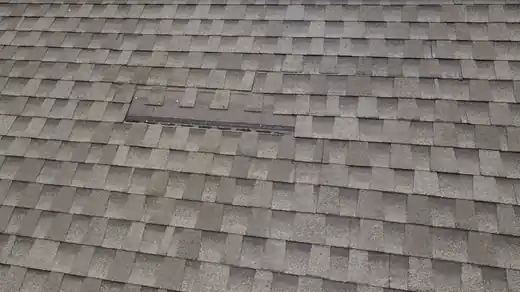
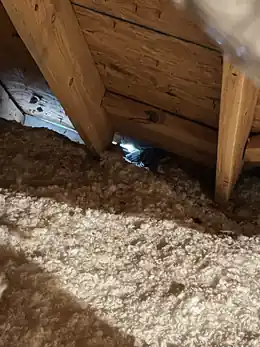
A storm brought wind and a tree-branch impact onto the roof. The damage was localized, but it was real: from inside the attic, daylight was visible through one damaged section.
The scope addressed the damaged shingles, compromised underlayment and decking in the affected areas, added ice & water protection at the repair and restored the roof with properly fastened shingles matched to the existing roof.

Our preferred replacement system does not override the material already installed on a repair. When only part of the roof needs work, the goal is to identify the existing shingle as accurately as possible and build the repair around that roof.
On the Bethlehem project, mortgage-company documentation identified the existing shingle as GAF Weathered Wood, so that is what the repair was built around.
Depending on what is available for the property, existing roofing information can be researched through:
Full replacement gives us a different opportunity: instead of matching one existing repair area, we can evaluate the complete roof as a system. RID-ICK’s preferred replacement direction includes Owens Corning roofing options, selected around the property, scope and homeowner’s goals.
The process is designed to reduce guessing before work starts and leave you with a clear record when it is finished.
Start with the roof, accessible supporting areas and the actual symptoms you are seeing.
Document the relevant conditions so the recommendation is tied to something you can see.
Build the scope around the condition instead of forcing every roof into the same sale.
Finish the work cleanly and keep a record of what was completed.
Start with a free roof assessment. We’ll inspect the actual conditions, show you what we find and give you a clear path toward the repair or replacement the roof actually needs.
No pressure • Photo-documented findings • Clear repair-or-replace recommendation