Repairing the symptom before the cause
New drywall under an unresolved roof or water problem can turn one repair into the same repair twice.
A storm can start at the roof and finish at the ceiling. A cleanout can uncover damage. A water problem can cross gutters, drainage and finished surfaces.
RID-ICK starts with the property as a whole, separates the urgent problem from the connected work, handles the core services we stand behind and builds the next-step sequence when the project crosses into additional trades.
Free whole-property assessment • No obligation • One starting point when the problem crosses trades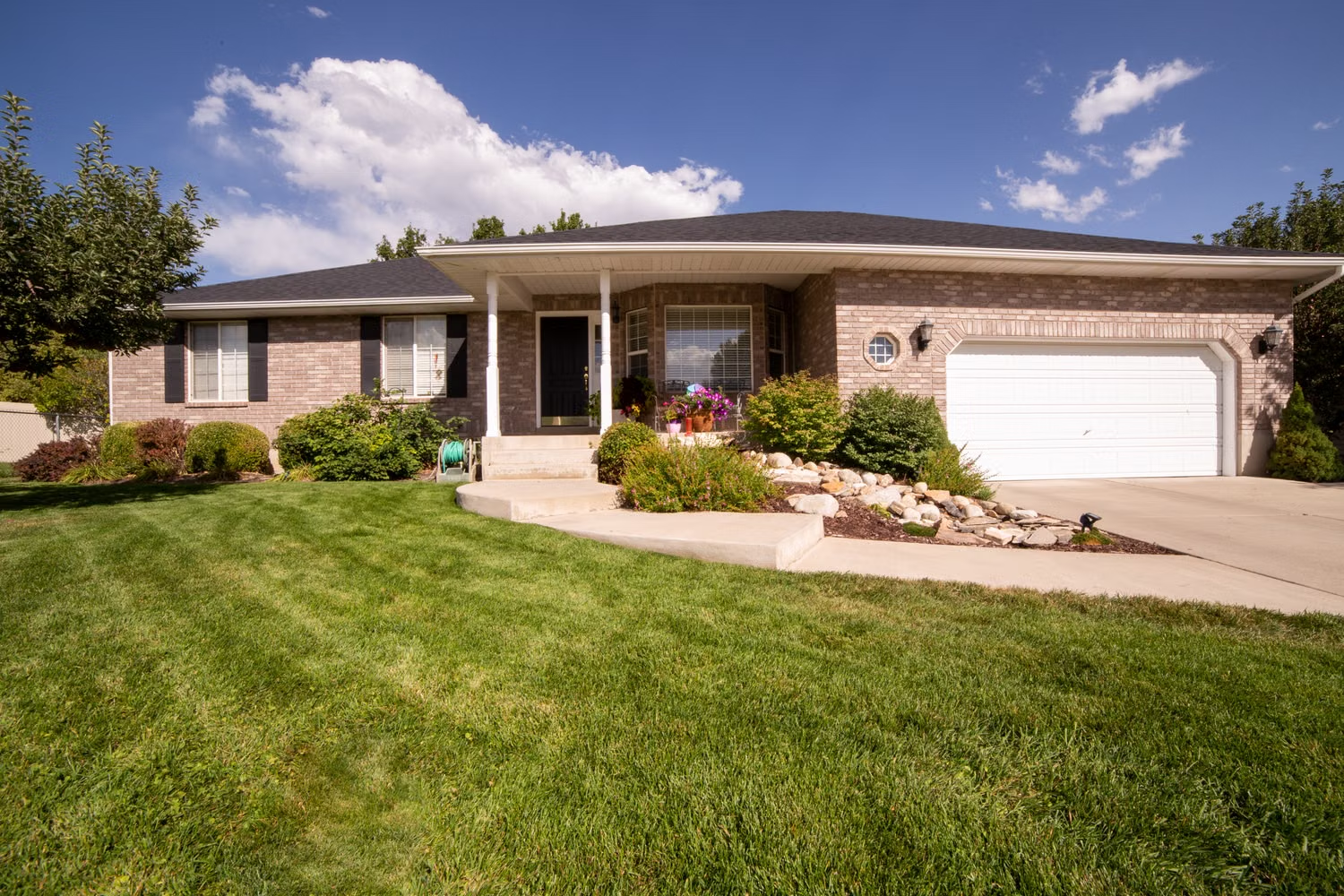
The roofer finishes the roof. The gutter company stops at the downspout. The cleanout crew leaves after the haul. The drywall person wants the leak fixed first. When nobody owns the sequence, you are left deciding what happens next—and what happens first.
New drywall under an unresolved roof or water problem can turn one repair into the same repair twice.
A contractor can complete “their part” while the property is still open, wet, damaged or unusable.
Cosmetic work can wait. Active water, exposed materials and structural protection usually cannot. A whole-property view separates now from next from later.
RID-ICK identifies what is happening, documents the visible condition, separates the core RID-ICK work from additional trade needs and gives the project an order of operations before you start approving disconnected scopes.
Build My Property Plan →The sequence matters more than the number of trades involved. Complete Property Rescue is designed to stop one repair from creating or repeating another.
Start with the event, visible damage, property condition and the systems connected to it.
Active leaks, exposed roof areas, bad water paths and other ongoing causes move ahead of finish work.
Cleanout, selective tear-out or access work may need to happen before hidden damage can be fully addressed.
Core RID-ICK work is performed directly; additional specialties are evaluated and coordinated when the project actually requires them.
Complete Property Rescue turns the chain into phases. The customer can see what is causing damage, what is blocking progress and which work has to happen before the next trade makes sense.
Fixing the ceiling first would hide the symptom while leaving the source above it.
The gutter can work perfectly and still leave the property wet if the water finishes in the wrong place.
Removal is sometimes the first phase of the repair because nobody can properly assess what they cannot reach.
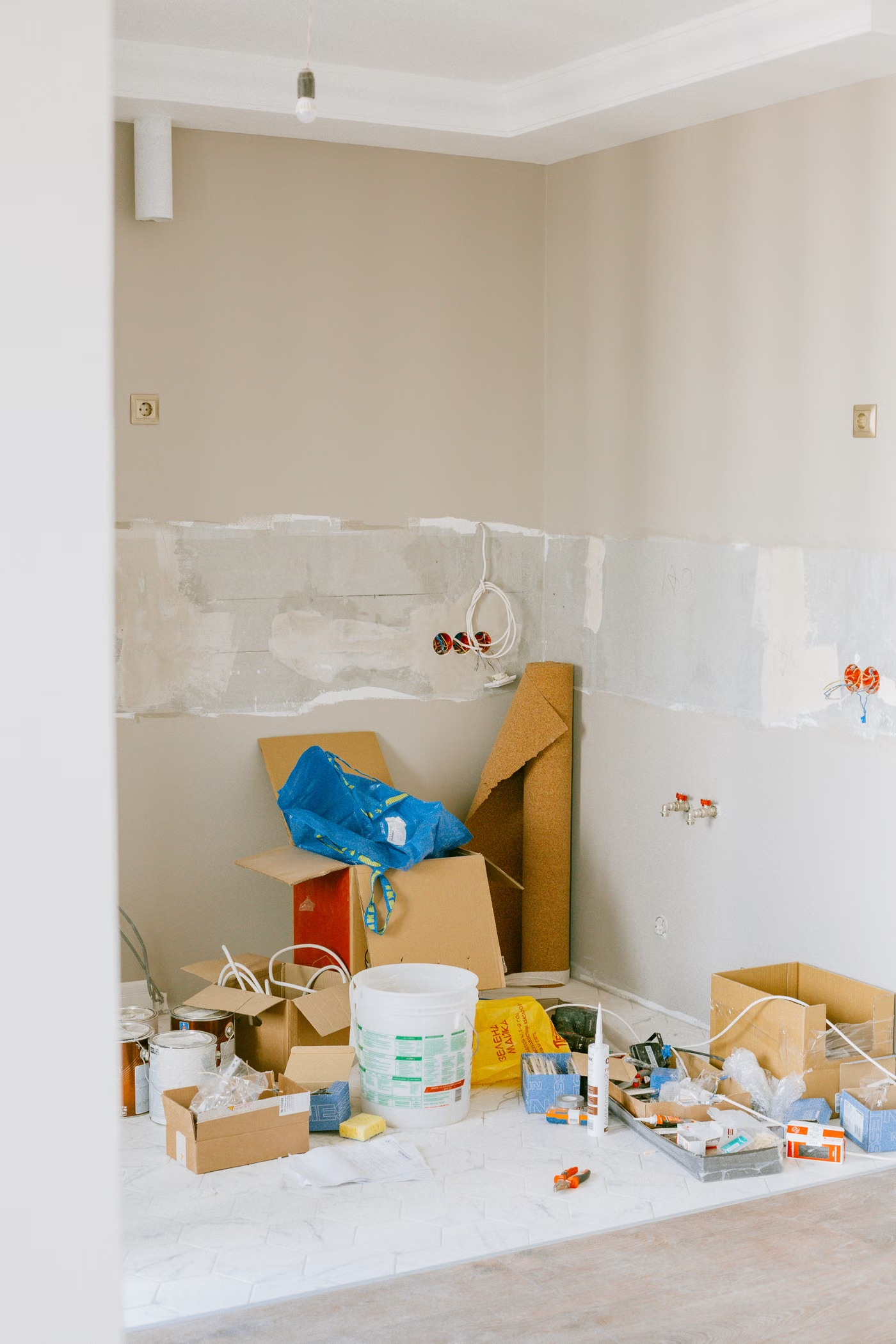
A whole-property plan is valuable because it separates work by consequence. The goal is to protect the property first, prevent repeat damage second and restore or upgrade after the cause is under control.
Leaks, exposed roof areas, unsafe access, uncontrolled runoff or anything actively making the property worse.
Decking, fascia, tear-out, drywall, flooring or other work that follows after the source is solved and access is available.
Improvements that make sense but do not need to compete with the property’s urgent repair budget.
You should know what RID-ICK is doing directly, what is being added to the project and why. Additional trades are evaluated after the property and sequence are understood—not bundled in just to make the job bigger.
The RID-ICK plan should make the next step visible before the current phase finishes whenever the property gives us enough information to do that.
That does not mean selling every possible phase on day one. It means showing what is connected, what is contingent and what needs another look after the first layer is removed.
Build My Property Plan →
✓ Storm damage affecting roof and interior areas
✓ Water problems involving roofline, gutters, drainage and finished surfaces
✓ Cleanouts that expose tear-out or repair needs
✓ Inherited, rental or deferred-maintenance properties with several connected problems
✓ Owners who know something is wrong but do not know which trade should start
— A claim that RID-ICK has every specialty trade permanently in-house
— Bundling extra work just because another service could be sold
— Guaranteed partner/trade availability before the actual scope is reviewed
— Replacing licensed engineering, remediation or specialty services when the property requires them
RID-ICK starts with the work the property actually needs, documents the condition and adds another project phase only when the next problem is real, visible and separately scoped.
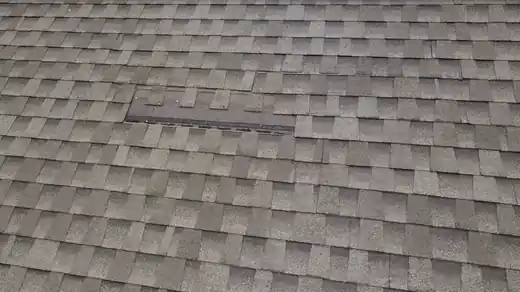
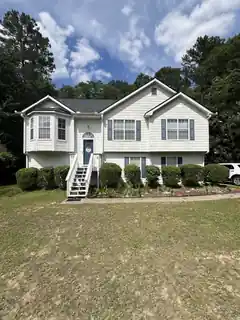
The Bethlehem storm repair shows the core philosophy: localized roof damage received a focused repair instead of being inflated into a whole-roof replacement.
RID-ICK already documents roof edges, gutters, fascia and property conditions so the recommendation has visible context.
Selective demolition, drywall, painting, flooring and interior restoration are added only when the property needs them and the approved project scope supports them.
These are the questions that usually matter before a property owner decides what to do next.
It is RID-ICK’s whole-property assessment and project-sequencing approach for situations where the problem crosses more than one normal service category. We identify the connected work, handle our core services and define the additional repair path when needed.
No. Roofing, gutters, gutter protection, drainage/water-management and cleanout work are the core services we lead with. Additional work such as selective demolition, drywall, painting, flooring or interior restoration is evaluated project by project and may involve qualified trade partners when appropriate.
No. Complete Property Rescue exists for exactly that situation. Tell us what happened, what you can see and what the property is doing. The assessment can help separate the service categories.
The sequence follows the property. Ongoing water entry, exposed materials and causes of damage generally come before cosmetic restoration. The actual assessment and approved scope control the project order.
Yes. A cleanout can be the first phase when clutter or abandoned material prevents access, turnover, sale or repair work. Any repair scope discovered afterward is handled separately.
Yes. Storm projects are a natural fit when roof or exterior damage may connect to interior damage. Insurance-related work still follows RID-ICK’s contractor role and does not turn us into a public adjuster.
Yes for the current RID-ICK whole-property assessment flow unless a special project condition is disclosed otherwise before booking.
Start with the condition, the evidence and the actual scope. Then decide how you want to move forward.